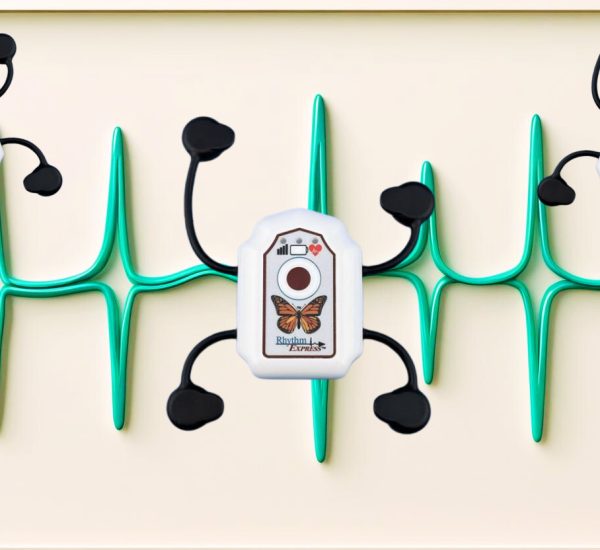
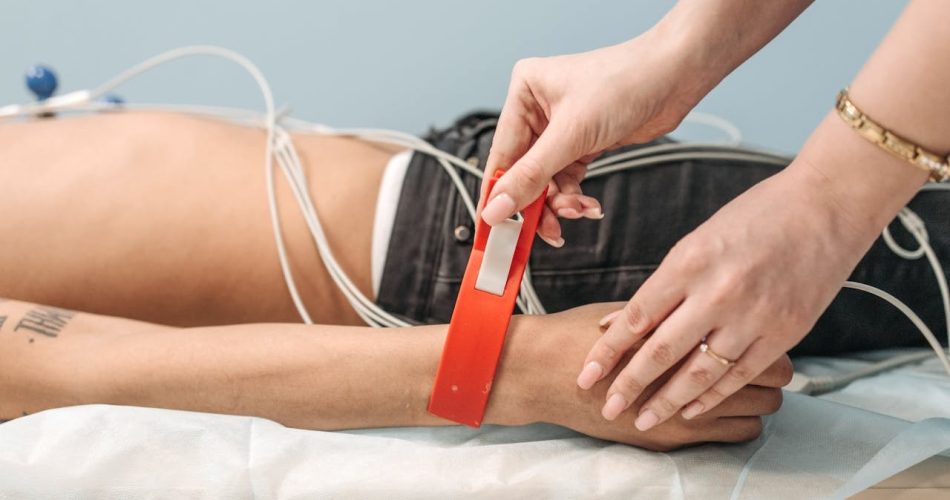
Emergency room visits and hospital readmissions put a strain on both patients and healthcare systems. For at-risk cardiac patients, these visits can be preventable if the right heart monitoring tools are in place. A reference-level remote heart monitor can provide a proactive solution by offering near-real-time data transmission, allowing physicians to detect abnormalities early and intervene before an emergency arises and circumstances escalate.
Remote Heart Monitoring Benefits – Preventing Unnecessary ER Visits
Many cardiac events don’t happen suddenly without signs or warnings; they develop over time. Remote heart monitoring enables continuous tracking of a patient’s condition, providing early warning signs that allow cardiologists to adjust treatment plans before symptoms escalate; this proactive approach can prevent repeat and costly hospital visits that could have been avoided with timely intervention.
Reducing Hospital Readmissions
For patients recently discharged after a cardiac event or procedure, readmission is a major risk. Remote monitoring allows for ongoing assessment outside the hospital, ensuring that warning signs, such as arrhythmias or fluid retention, are addressed promptly. The goal is to keep patients stable at home and reduce readmission rates, which can also lower financial penalties for hospitals and unnecessary expenses for patients.
Benefits for Healthcare Providers
Beyond patient outcomes, remote monitoring benefits healthcare providers greatly by reducing ER congestion, improving resource allocation, and decreasing administrative burdens. Hospitals and cardiology practices can operate more efficiently when avoidable emergency visits and readmissions are minimized, decreasing bottlenecking all around.
Reducing Costs Across the Board
Avoidable ER visits and hospital readmissions contribute greatly to healthcare costs. By catching potential issues early, MCOT monitoring can reduce unnecessary hospital stays, lower treatment costs, and help prevent penalties associated with high readmission rates. For healthcare providers, this translates into improved financial forecasting and more resources allocated toward preventive care rather than crisis mitigation/management.
A Smarter Future for Cardiac Care
Advanced Mobile Cardiac Telemetry is shifting the landscape of cardiac care from reactive to proactive. By leveraging this technology, providers can deliver better patient results while optimizing hospital and practice operations; it’s a win-win for all.
To learn more about First-Call Medical’s RX-1 Mini at-home heart monitor, please contact us today.