Arrhythmia detection has greatly improved in recent years, transforming how physicians diagnose and manage irregular heart rhythms. Within the last decade, wearable technology, artificial intelligence, and machine learning have made modern detection methods faster, more accurate, and more accessible. Because of these technological gains, patient outcomes have improved. Earlier detection and intervention have helped reduce the risks associated with undiagnosed arrhythmias.
Compact and Comfortable Wearable Devices
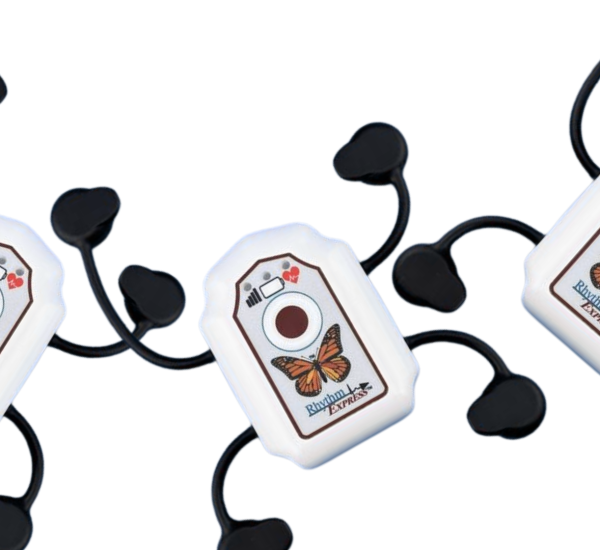
Traditional arrhythmia detection often required bulky Holter monitors or in-clinic ECG tests, which could be inconvenient for patients. Today, advancements in wearable technology, such as the RX-1 Mini Heart Monitor Patch, have revolutionized the process. These lightweight, discreet devices offer continuous monitoring while allowing patients to maintain their daily activities without disruption.
Wearable monitors now feature:
- Extended Monitoring Capabilities: Unlike traditional Holter monitors, which typically record 24-48 hours of data, newer wearable devices can track heart rhythms for weeks, increasing the likelihood of capturing intermittent arrhythmias.
- User-Friendly Design: Small adhesive patches like the RX-1 Mini are designed for maximum comfort, eliminating the inconvenience of wires and bulky attachments.
- Seamless Data Transmission: These devices automatically send near-real-time data to healthcare monitors and providers, facilitating timely review and intervention when needed.
Machine Learning and AI-Driven Detection
Artificial intelligence and machine learning are helping to supplement how arrhythmias are detected and analyzed. These technologies can identify irregular heart rhythms by leveraging vast datasets and pattern recognition algorithms.
Key benefits of AI in arrhythmia detection include:
- Enhanced Pattern Recognition: Machine learning algorithms can detect subtle variations in heart rhythms that may go unnoticed, improving diagnostic accuracy.
- Faster Detection and Diagnosis: Automated systems can analyze data in near-real-time, allowing for quicker identification of potentially dangerous arrhythmias
- Reduced False Positives: AI models can distinguish between benign irregularities and clinically significant arrhythmias, reducing unnecessary alarms and follow-up tests.
The Future of Arrhythmia Detection
With continuous improvements in sensor technology and AI-driven diagnostics, arrhythmia detection is only improving. However, even with the advent of AI-driven tools to help detect different arrhythmia, human oversight is still needed. At First-Call Medical, all rhythms are reviewed by Certified Cardiac Technicians before generating a report.
Contact us today to learn how cutting-edge arrhythmia detection technology can benefit your practice and patients.