Cardiologists have sought better ways to monitor patients continuously without requiring frequent office visits, hospitalizations, or cumbersome/impractical at-home devices for decades. Thankfully, today, wearable technologies and data connectivity have made that possible. Remote patient monitoring (RPM) is now an expected tool for modern cardiology practices, offering clinical and financial advantages.
The Shift Toward Remote Cardiac Monitoring
Traditional cardiac monitoring relied on periodic in-person checkups, limiting the ability to detect early signs of deterioration. The early generations of Holter monitors and event recorders helped bridge the gap, but they provided only short-term data and were often inconvenient for patients.
With today’s RPM solutions, cardiologists can monitor patients in near-real-time, track long-term trends, and intervene before minor issues escalate into severe conditions. This proactive approach can lead to better patient outcomes while improving practice efficiency and financial sustainability.
Remote Patient Monitoring Benefits
RPM is more than just a clinical tool—it also makes financial sense for practices of all types. Many insurers, including Medicare, now reimburse RPM services, creating new opportunities without overloading physicians with extra patient visits.
At the same time, RPM helps reduce operational costs. With fewer in-person visits, staff members spend less time managing appointments and paperwork, allowing the practice to run more optimally. It also reduces the burden on physical office space, lowering overhead costs.
Resource allocation also improves; by onboarding patients who can be monitored remotely, physicians can prioritize in-person care for those who need immediate attention. And by catching potential cardiac issues early, RPM helps prevent costly hospital readmissions, benefiting both healthcare providers and patients.
Enhancing Patient Care with RPM
While the financial benefits are clear, the impact on patient outcomes is even more significant and, ultimately, more important than all the other remote monitoring benefits. RPM allows cardiologists to detect warning signs before they escalate into emergencies, personalize treatment plans based on long-term data trends, and keep patients more engaged in their care. When patients can track their heart health in near-real-time, they are more likely to adhere to medications and lifestyle changes; they simply feel more engaged with, and less detached from, their data.
RPM also improves access to care, particularly for patients in rural areas or those with mobility limitations. Instead of frequent and difficult office visits, these patients can be monitored remotely while still receiving high-quality cardiac care.
The RX-1 Mini: A Model for Effective Remote Monitoring
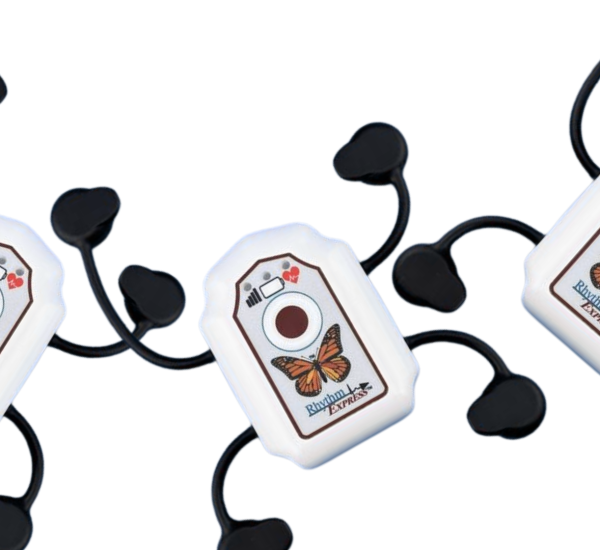
A successful RPM program depends on the quality of the devices used. The RX-1 Mini exemplifies what a remote heart monitor should offer—clinical-grade accuracy, seamless data integration, and patient-friendly wearability.
The Future of Cardiac Care is Remote
Remote patient monitoring is no longer an emerging trend—it’s a cornerstone of modern cardiology. By adopting RPM solutions like the RX-1 Mini, cardiology practices can provide better care and improve their efficiencies across the board.
To learn more about our remote patient monitoring solutions, please contact us today.