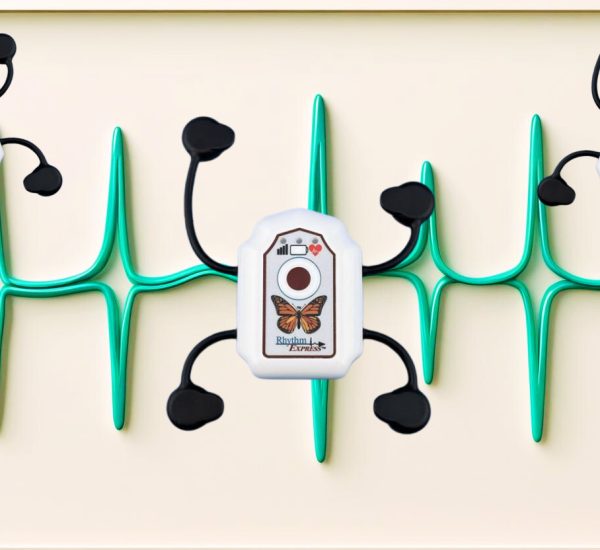
Few technologies embody medical innovation better than portable ECG machines. These compact devices have transformed cardiac care, making heart monitoring more accessible, accurate, and patient-friendly than ever before.
A Brief History of ECG Technology
The electrocardiogram (ECG or EKG) has been a cornerstone of cardiac care since its invention in 1903 by Dutch physiologist Willem Einthoven. The original ECG machines were cumbersome, requiring large equipment and dedicated hospital rooms. Early devices weighed hundreds of pounds, had limited portability, and required extensive setup to monitor a patient’s heart.
Over the decades, advances in electronics miniaturization, battery technology, and wireless communication have led to the development of portable ECG machines. These compact devices, which can fit into a pocket or backpack, are a far departure/quantum leap from their bulky predecessors.
The Comfort Revolution: Patient-Centered Design
For patients, comfort is one of the most significant changes brought by portable ECG machines. Traditional ECGs often require multiple leads to be attached to the chest, arms, and legs with sticky electrodes; while necessary, this design was neither comfortable nor potable in any sense.
Portable ECG machines have drastically simplified the process. Many models use just a few electrodes or even allow users to take readings by placing their fingers on the device. These advancements mean no bulky equipment, no complicated wires, and no need for extended setup times.
Heart health can now be monitored anywhere—whether at home, while traveling, or even at work. This helps encourage compliance with prescribed monitoring, leading to better data and improved outcomes.
Accuracy and Reliability: A Win for Cardiologists
Portable ECG machines have also been a game-changer for cardiologists and healthcare providers. These devices are easier for patients to use and deliver reliable and precise data. Modern portable ECGs are designed with advanced algorithms to detect heart rhythm irregularities, such as arrhythmias, tachycardia, or bradycardia, with clinical-grade accuracy.
The ability to capture data in near-real-time and across various daily activities gives cardiologists a more comprehensive picture of a patient’s heart health. Gone are the days of relying solely on brief in-office readings that may not capture sporadic heart rhythm issues. Portable ECGs offer a continuous, real-world perspective, allowing doctors to make better-informed diagnoses and treatment decisions.
First-Call Medical’s RX-1 Mini Patch Monitor
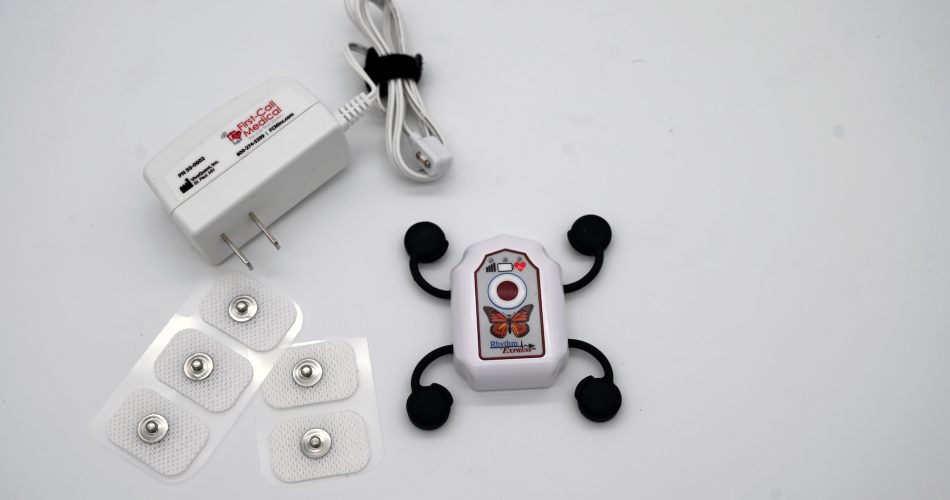
First-Call Medical has embraced the cutting edge of portable ECG technology with our RX-1 mini patch monitor. This revolutionary device combines all the benefits of portability, accuracy, and patient comfort into one compact Holter monitoring solution.
The RX-1 is a wearable home heart monitor that fits seamlessly into daily life. Lightweight and non-intrusive, it provides continuous cardiac monitoring without the hassle of wires or bulky setups. It’s designed for patients who need reliable, real-world heart data and for healthcare providers seeking consistent, actionable insights.
Key Features of the RX-1 Mini Patch Monitor:
Comfortable Wearability: The device adheres to the skin like a small patch, making it ideal for extended use.
Accurate Data Collection: Equipped with advanced ECG technology, the RX-1 captures precise heart activity, ensuring quality results for diagnosis.
Connectivity: Syncs effortlessly with monitoring systems for easy data sharing between monitoring techs, doctors, and patients.
User-Friendly Design: Patients can easily apply and remove the patch themselves, minimizing the need for in-clinic assistance. It’s even got a shower-friendly design.
ECG machines have come a long way since their inception over a century ago, and thanks to continuous advancements in technology and design ingenuity, they’ll continue to positively impact people’s lives without being a point of daily distraction.