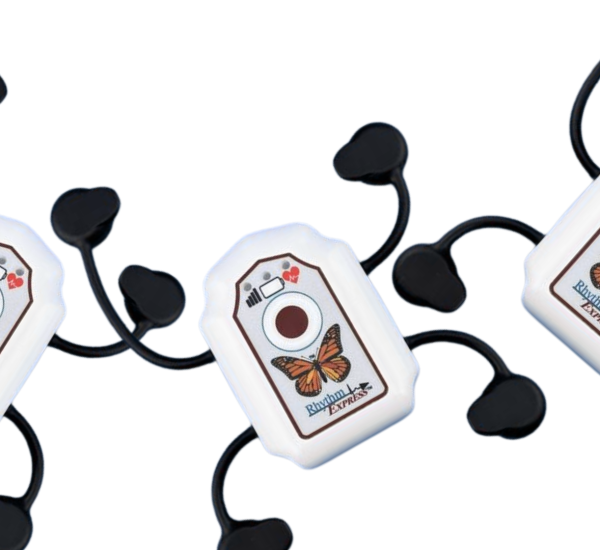

When prescribed the RX-1 mini patch monitor/home heart monitor, without fail, one of the first questions patients ask their physician is whether or not the MCOT monitor can be worn in the shower or during bathing in any capacity. After all, staying clean is essential, but so is maintaining the integrity of the device and its adhesives.
In this article, we’ll explain the RX-1’s water resistance, how often it should be exposed to water, and the best practices for ensuring its effectiveness and longevity. The great news is that physicians can tell their patients that the RX-1 Mini is as accommodating as it gets regarding outpatient heart monitoring devices.
Is the RX-1 Water-Resistant?
Yes, the RX-1 is designed to be water-resistant; this means it can handle exposure to splashes and moisture. So, if you need to hop in the shower while wearing the RX-1, you can do so without worrying about damaging the device. Its internal components are shielded from water, making it safe for brief exposure, such as during a shower.
Can You Wear the RX-1 While Showering or Bathing?
While the RX-1 is water-resistant and can be worn in the shower, doing so too often can shorten the life of the adhesives that securely hold it to your skin. Repeated exposure to water, especially hot water, can weaken the adhesives over time. If you want to prolong the adhesive’s life and maintain optimal performance, it’s best not to expose the RX-1 to water daily.
The RX-1 is water-resistant but should not be submerged in water. Do not wear the RX-1 in a pool, bath, or fresh or saltwater source; do not submerge the device under any circumstances. Submerging the device in water could damage it.
Best Practices for Showering
Here are some steps to ensure you get the most out of your RX-1 without compromising its adhesives or functionality:
- Short Showers: Keep your showers short when wearing the RX-1. Prolonged exposure to water, especially hot water, can wear down the adhesive faster.
- Dry Carefully: Gently pat the RX-1 dry with a towel after you shower. Avoid rubbing the area where the device is adhered to, as this can loosen it.
- Avoid Hot Water: Steamy hot water can weaken the adhesive faster than cooler water. Lower the water temperature slightly when you shower with the device.
- Waterproof Bandages: If you want to shower daily but need to preserve the adhesive, try covering the RX-1 with a waterproof bandage during your showers.
While you can shower for brief periods of time with the RX-1 Mini, many people find it most convenient to charge the device when they’re showering. After your shower, simply reapply with new electrodes to continue monitoring.
The RX-1 Mini Holter Monitor’s Shower-Friendly Design
While the RX-1 is built to handle some water exposure, the adhesive isn’t invincible. Limiting water contact will help prolong the device’s lifespan and keep it functioning properly.
By following the recommended care tips, you can keep your RX-1 secure, comfortable, and working as it should for the duration of your treatment.
Always consult your healthcare provider for personalized advice based on your needs and treatment plan.