
Mobile Cardiac Outpatient Telemetry (MCOT) is a vital tool in modern cardiology. It provides insights that older technologies, such as early-generation Holter monitors or event monitors, would often miss. For patients and providers alike, MCOT brings a higher level of accuracy, flexibility, and clinical value.
Here are five key things to know about MCOT monitoring:
1. MCOT Provides Continuous, Near-Real-Time Monitoring
Holter monitors capture data over a short period, but MCOT devices provide ongoing monitoring for up to 30 days. What sets MCOT apart is its ability to transmit data in near real-time, either over Wi-Fi or cellular channels, so physicians can see rhythm abnormalities almost as they occur.
2. It Can Detect Arrhythmias Other Devices May Miss
Many arrhythmias are intermittent, occurring sporadically rather than during a brief in-office test. MCOT’s extended wear time dramatically improves the chances of detecting these irregularities, offering a more complete picture of a patient’s heart health.
3. Patient Comfort Improves Compliance
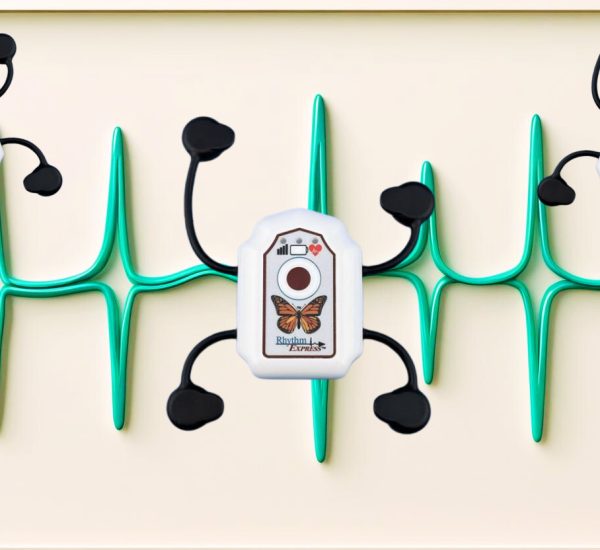
Older generation holter monitors were often bulky and relied on adhesives that irritate the skin. Newer MCOT devices, such as the RX-1 Mini home heart monitor, are designed with comfort in mind. Features such as a lightweight design, skin-sensitive electrodes, and easy reapplication ensure that patients are more likely to wear the device consistently. Better patient compliance = better data sets.
4. Integrated Data Delivery Simplifies Provider Workflows
Modern MCOT devices seamlessly integrate data into electronic medical record (EMR) systems. This integration eliminates the need for manual uploads and reduces administrative burden, providing providers with immediate access to results and enabling faster, more informed decision-making.
5. MCOT Bridges the Gap Between In-Office and Remote Care
Perhaps the most important aspect of MCOT is its ability to provide hospital-level monitoring while patients go about their daily lives with minimal discomfort or interruption.
MCOT reduces the need for costly inpatient stays, and patients can go about their lives normally under close observation.
For providers, MCOT means faster diagnoses and stronger clinical confidence. For patients, it means reliable monitoring that fits seamlessly into daily life.
Contact our team for more information about MCOT solutions.