
Improving efficiency in cardiac care is a never-ending pursuit, and it goes beyond just speeding up test results; it also means cutting down administrative burdens/hangups, lowering costs, and increasing the percentage of positive patient outcomes.
Compared to traditional systems, EMR-integrated remote monitoring simplifies workflow processes, allowing physicians to spend more time on patient care rather than paperwork. EMR-integrated solutions designed for efficiency give cardiologists and healthcare teams the tools to deliver timely, effective treatments.
Optimizing Workflow Efficiency
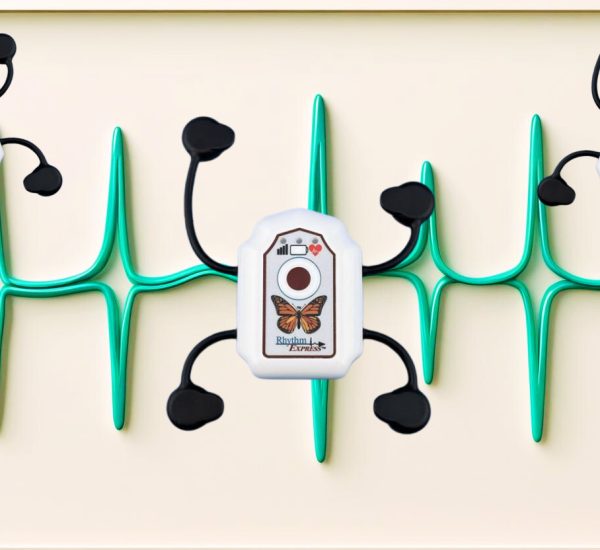
Traditional remote monitoring systems often require manual data entry, multiple logins, and lengthy processing times. With a well-integrated EMR system, patient enrollment and test ordering take just a few clicks. A caregiver selects the patient, orders the testing kit ( Mobile Cardiac Telemetry, for example), and submits it instantly, which can eliminate redundant paperwork and data entry. At the end of the monitoring period, the summary report is automatically named and placed in a designated folder, where the EMR system retrieves it without unnecessary delays.
Lowering Costs, Increasing Revenue
Administrative inefficiencies cost time and money. Automating remote monitoring reduces the need for redundant tasks, freeing up staff for higher-value work. Additionally, fewer errors mean less time spent on corrections and resubmissions, improving billing efficiency and practice cash flow; simply put, healthcare providers can operate more efficiently and be financially conscious.
Improving Patient Care
Access to near-real-time monitoring data can help create faster decisions, leading to better patient outcomes. Unfortunately, many practices still face frustrating delays in retrieving patient data, but it doesn’t have to be that way. A near-turnkey EMR integration ensures that critical patient data is available without unnecessary wait times, enabling prompt intervention and better management of cardiac conditions.
EMR Remote Monitoring Efficiency – Pushing Inovation
Some hospital IT teams hesitate to implement EMR integrations due to concerns over long deployment times. However, solutions can be fully operational in days or weeks, not months. By minimizing administrative strain, improving operational efficiency, and ensuring healthcare professionals have near-immediate access to vital information, EMR-integrated remote monitoring can push cardiac care to evolve into a more effective and streamlined process for providers and patients alike.
Contact us today to learn how First-Call Medical offers home heart monitors and EMR-integrated monitoring solutions and systems.