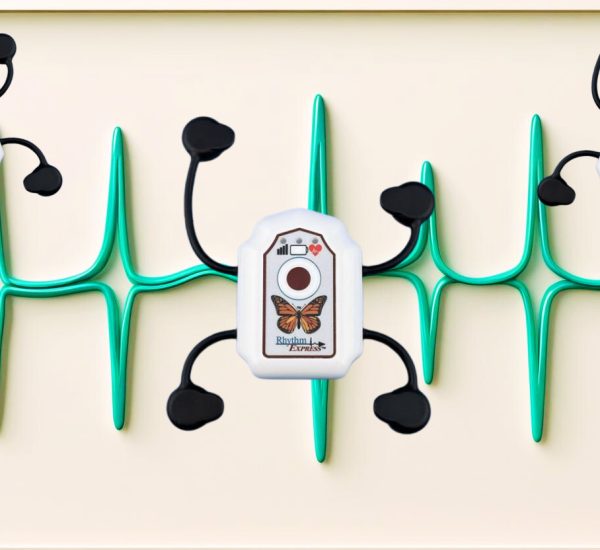

How heart rate data is collected, shared, and analyzed has changed/evolved drastically within the last decade. Remote monitoring capabilities have revolutionized cardiac care, enabled by small modems with Wi-Fi and cellular connectivity. What was once confined to hospital settings can now be done from the comfort of one’s home, in near-real-time—a concept that seemed like science fiction not too long ago.
The Technological Revolution in Heart Rate Monitoring
In previous decades, monitoring heart rate often required patients to visit clinics, undergo cumbersome procedures, or wear devices that were far from portable. Data retrieval was slow, and insights were limited to specific, often isolated, windows of time. However, integrating wireless technologies and compact, wearable heart monitoring devices has changed all that.
Today, remote heart rate monitors leverage Wi-Fi and cellular data to provide continuous, near-real-time updates. These innovations enable:
- Data Transmission: Heart rate data can be transmitted near-instantly to healthcare providers for analysis, eliminating delays and enabling timely interventions.
- Patient Empowerment: Individuals can track heart rate trends and share data effortlessly with physicians.
- Broader Accessibility: Remote monitoring removes geographical barriers, ensuring that patients in rural or underserved areas can access high-quality care.
The RX-1 Mini: A Paradigm Shift
The RX-1 Mini Wearable Heart Monitor Patch exemplifies this technological leap. This small yet powerful device integrates remote monitoring features and represents the next generation of heart rate data accessibility.
- Near-Real-Time Monitoring: The RX-1 Mini captures and transmits heart rate data near-continuously, ensuring that healthcare providers receive timely updates.
- Compact and Comfortable Design: Unlike older, bulky monitors, the RX-1 Mini is lightweight and discreet. Patients can wear it during everyday activities without discomfort, enhancing compliance and data reliability.
- Seamless Connectivity: The RX-1 Mini ensures uninterrupted data transmission with built-in Wi-Fi and cellular compatibility. Patients no longer need to visit clinics to upload data manually; instead, their heart rate information is automatically sent to their care team.
- Improved Diagnostics: The RX-1 Mini supplies a continuous data stream, allowing clinicians to identify patterns and trends that might go unnoticed in sporadic, in-office readings.
From Science Fiction to Everyday Reality
The accessibility of heart rate data has redefined how heart conditions are monitored and treated. Conditions like arrhythmias, hypertension, and even early signs of heart failure can now be monitored and managed with unprecedented efficiency. Innovations such as artificial intelligence and predictive analytics promise to make these systems even more effective as the technology continues to evolve.
The days of limited access to heart rate data are behind us. Thanks to devices like the RX-1 Mini and the integration of wireless technology, heart rate monitoring has become a seamless, near-real-time process that enhances patient care globally. This accessibility is a fundamental shift in how we approach cardiovascular health.