
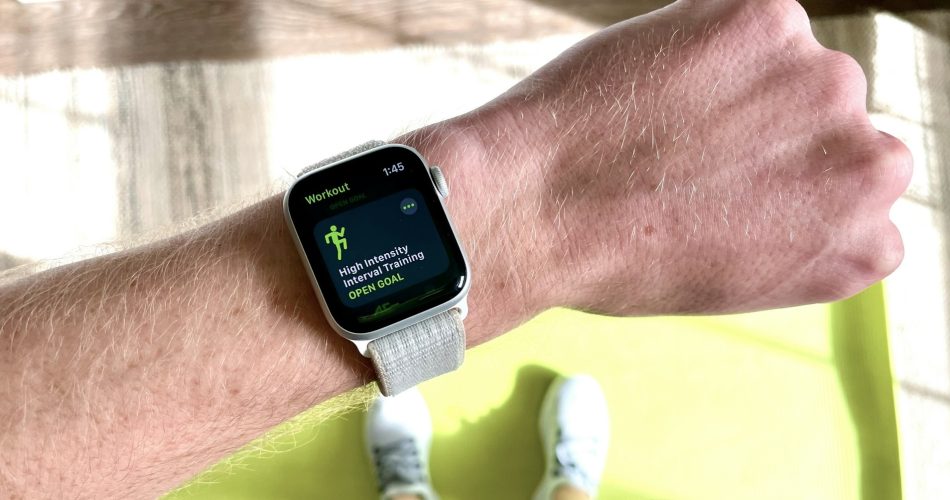
Smartwatches with ECG (electrocardiogram) features, like the Apple Watch, have become popular for health monitoring. These devices promise to track heart rate, detect irregular rhythms, and even alert users to potential arrhythmias. But how do they compare to traditional Ambulatory Blood Pressure Monitors (ABPMs), which healthcare providers prescribe for precise, clinical-grade monitoring? While both have valuable roles, their inherent differences expose the gap between consumer-grade technology (with great marketing) and medically approved professional tools.
Understanding ECG Watches
ECG-enabled smartwatches are designed for convenience and accessibility. They allow users to monitor their heart health in near real-time, with features like:
- Heart Rate Monitoring: Continuous tracking of beats per minute (BPM).
- Arrhythmia Detection: Alerts for irregular rhythms, such as atrial fibrillation (AFib).
- Fitness Integration: Metrics related to exercise, sleep, and overall activity levels.
These features are popular/convenient for personal health awareness, making it easier for users to identify potential issues and seek medical advice when necessary. However, it’s important to note that ECG smartwatches are not diagnostic tools. They are consumer-friendly devices with limitations in accuracy and scope, not to mention user interpretation.
The Limitations of ECG Watches
While ECG watches can provide useful insights, they fall short when it comes to meeting the rigorous standards required for medical-grade monitoring:
Data Accuracy: Consumer-grade devices often lack the precision and reliability of professional equipment. Factors like improper fit, movement, and environmental interference can lead to inaccurate readings.
Scope of Monitoring: ECG watches typically focus on heart rate and rhythm, offering little to no information about blood pressure trends or variations over time.
Continuous Monitoring: Unlike traditional ABPMs, which record data at regular intervals over 24 hours, ECG watches rely on user-initiated measurements and do not provide comprehensive, continuous monitoring.
Regulatory Standards: Medical-grade devices must meet strict FDA or equivalent regulatory standards to ensure accuracy and safety. While innovative, ECG watches are not held to the same standards as prescribed ABPMs.
The Importance of Clinical-Grade ABPMs
Ambulatory Blood Pressure Monitors, like those made by Spacelabs, remain the gold standard for diagnosing and managing hypertension and related cardiovascular conditions.
Some key advantages include:
Comprehensive Monitoring: ABPMs measure blood pressure regularly throughout the day and night, capturing critical trends such as nocturnal blood pressure and morning surges.
Diagnostic Accuracy: These devices provide clinically validated data, ensuring physicians can make informed treatment decisions.
Tailored to Patient Needs: ABPMs are prescribed and calibrated based on individual requirements, reducing the risk of false readings and ensuring high-quality results.
Two Different Use Cases
An ECG watch offers convenience and ease of use for general health awareness and fitness tracking. It’s a great tool for staying proactive about heart health. However, medically approved ABPMs are indispensable for diagnosing or managing serious conditions like hypertension, arrhythmias, or cardiovascular risk factors. These devices provide the accuracy, reliability, and depth of data that physicians need to develop effective treatment plans.
While ECG watches are a remarkable example of consumer technology’s potential to improve health awareness, they are not a substitute for professional medical devices.
ABPMs continue to set the standard for precision and clinical relevance in cardiovascular care. Understanding the differences between these tools is critical for patients to make informed choices about their health and ensure they receive the best care possible.


