
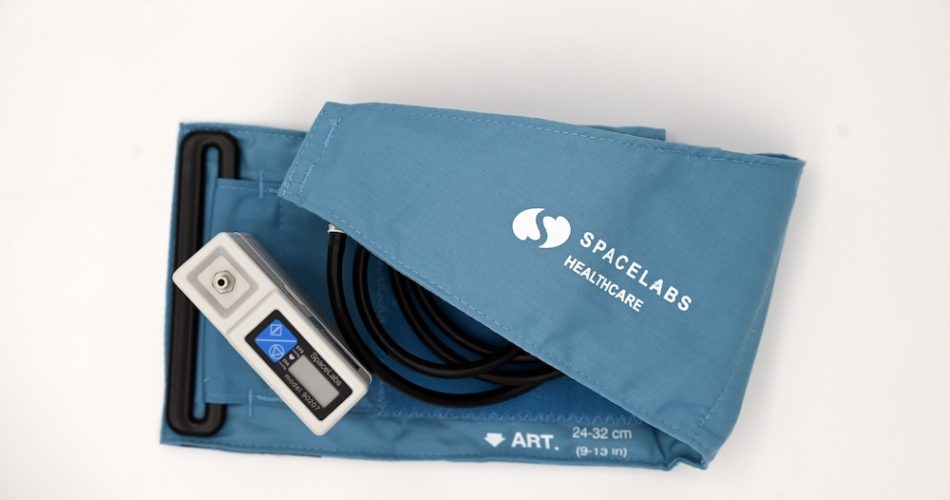
Ambulatory Blood Pressure Monitoring (ABPM) has forever changed how we understand and manage blood pressure, offering insights beyond the capabilities of in-office measurements. From the rudimentary devices to today’s sophisticated tools, this medical technology’s progress has impacted thousands of lives.
Ambulatory Blood Pressure Monitoring – A Humble Beginning
The journey of ABPM began in the mid-20th century when researchers sought a more dynamic approach to measuring blood pressure. Early devices were bulky and cumbersome, often requiring patients to remain stationary and within the confines of the exam room during monitoring. The concept was revolutionary: instead of relying solely on sporadic, in-office blood pressure readings, ambulatory blood pressure monitoring aimed to capture a full picture of a patient’s blood pressure throughout their daily routine, not just an outlying flashpoint in time.
The initial iterations of ambulatory blood pressure monitors had significant limitations. Data storage was minimal, and accuracy was inconsistent, particularly with movements or changes in posture. These devices often caused discomfort, deterring patient compliance. Still, the value of capturing blood pressure trends over time—and during different activities—was undeniable. This spurred continued innovation from a larger group of innovators.
The Spacelabs ABPM
The 1980s marked a turning point with the introduction of the Spacelabs ABPM system. Known for its reliability and precision, Spacelabs pioneered a portable, wearable monitor capable of recording blood pressure at regular intervals. This device was embraced by healthcare providers as a gold standard, setting benchmarks for others to follow.
Spacelabs ABPM systems addressed many issues of earlier devices, offering improved accuracy, increased comfort, and more robust data collection. For the first time, clinicians could obtain comprehensive insights into nocturnal blood pressure, diurnal variations, and the effects of medications outside clinical settings. These advancements made Spacelabs medical equipment a cornerstone in hypertension research and management.
Today’s ABPM devices are smaller, lighter, and more user-friendly than ever. Innovations in sensor technology, wireless communication, and data analytics have made ABPM a critical tool in hypertension care. Patients can wear these monitors discreetly during daily activities, allowing seamless data collection without interrupting their routines.
ABPM – A Future of Possibilities
Ambulatory blood pressure monitoring has become indispensable for diagnosing and managing hypertension. It helps identify phenomena like white-coat hypertension and masked hypertension, and these insights ensure more accurate diagnoses and targeted treatments, ultimately reducing the risk of complications such as heart disease and stroke.
Spacelabs remains a leader in this field, continually refining its technology to meet the demands of modern healthcare. Its reputation as the gold standard stems from decades of reliability, precision, and innovation.
Contact us today to learn more about our ambulatory blood pressure monitoring devices.