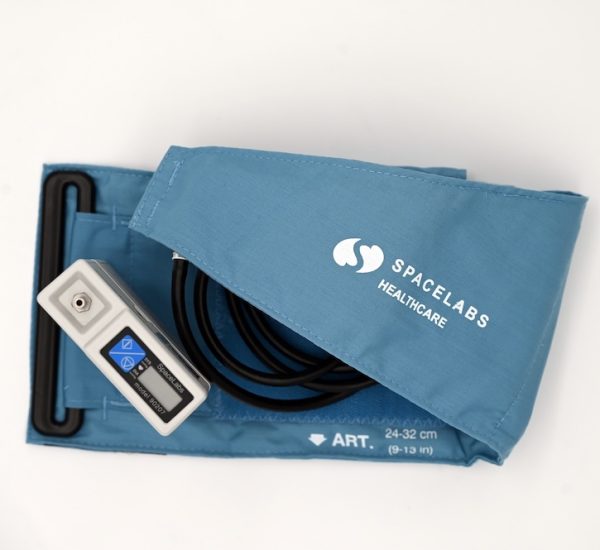

Ambulatory Blood Pressure Monitors (ABPMs) are essential for physicians, offering critical insights into a patient’s cardiovascular health that static, in-office readings simply cannot provide. But what do physicians prioritize most in these devices? Is it performance with patients? Reliability of data? Ease of use? The answer is that all three of these traits are key factors that define the ideal ambulatory blood pressure monitor.
Performance with Patients
The primary objective of an ABPM is to provide accurate, actionable data that reflects a patient’s blood pressure patterns in real-world settings. For this to happen effectively, the monitor must be comfortable and non-intrusive. If patients find the device cumbersome or irritating, they are less likely to comply with wearing it as prescribed.
Modern ABPMs are designed with the patient’s comfort in mind. Lightweight, compact devices with soft, adjustable cuffs help patients complete their daily routines with minimal disruption. Noise reduction during cuff inflation is another important feature, especially for nighttime readings, as it helps maintain natural sleep patterns.
Reliability of Data
For physicians, the reliability of ABPM data is paramount; if the device cannot do this, it’s worthless. The information collected must accurately represent a patient’s blood pressure throughout a 24-hour cycle, capturing key metrics such as:
- Diurnal variations
- Nocturnal blood pressure levels
- Morning surges
- Responses to medications
Advanced ABPMs minimize artifacts and ensure the accuracy of each reading. Features like motion sensors and error detection mechanisms can help the devices identify and exclude invalid measurements caused by movement or improper cuff placement.
Another aspect of reliability is consistency in readings across different patients and scenarios. ABPMs must maintain precision regardless of patient size, arm shape, or activity level, ensuring that physicians can trust the results in every case.
Ease of Use
Ease of use is critical for both patients and healthcare providers. An intuitive interface and straightforward setup are vital to ensuring patient compliance. For physicians, the device’s data management and integration capabilities significantly streamline their use.
Some modern ABPMs may include:
- Wireless Connectivity: Enabling real-time data transmission to secure cloud platforms.
- Integration with EHRs: Allowing seamless import of blood pressure trends into electronic health records for efficient review.
- Automated Reports: Generating summaries with key insights, such as average blood pressure, nocturnal dipping patterns, and abnormal readings.
These features save physicians valuable time, allowing them to focus on interpreting the data and developing personalized treatment plans rather than troubleshooting device issues, manually compiling reports, or contacting vendors to fix malfunctioning equipment.
First-Call Medical works with Spacelabs Medical Equipment because they are the gold-standard reference point for which ambulatory blood pressure monitors aim to be. Contact us to learn more about our services and medical monitoring equipment.