
Before diving into the topic, First-Call Medical emphasizes that this information is intended as a general guideline and should not replace professional medical advice. Always consult your doctor for personalized guidance about your health, how to prepare for wearing a Holter monitor, and the restrictions while wearing a Holter monitor. First-Call Medical provides medical equipment, not medical advice, and this article is meant to inform, not diagnose or direct.
Now, let’s explore an important and common question patients often ask their physicians: “Can you drink while wearing a Holter monitor?”
The Role of a Holter Monitor
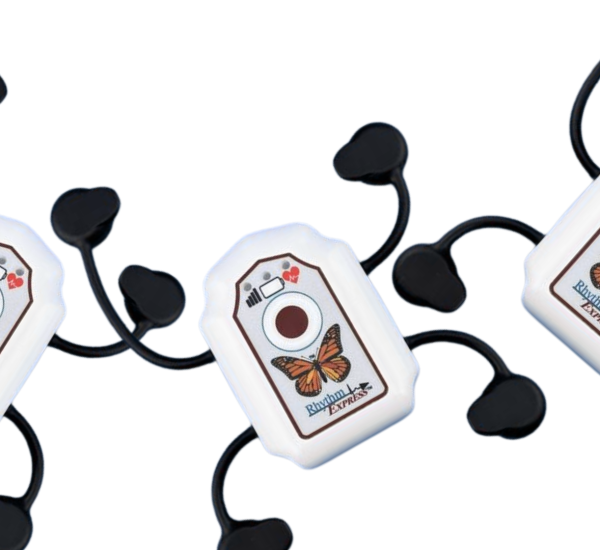
A Holter monitor is a portable device used to continuously record your heart’s electrical activity over an extended period, typically 24 to 48 hours or even days or weeks in some cases; this allows doctors to identify irregularities in your heart rhythm that might not appear during a brief EKG in the office.
For the monitor to deliver the most accurate and helpful data, it’s essential to avoid external factors that could interfere with your heart’s natural rhythm. These include alcohol and nicotine, two substances known to significantly skew results.
Alcohol and Its Effect on Heart Monitoring
Drinking alcohol during your Holter monitoring period can disrupt your heart’s natural rhythm and potentially lead to inaccurate results. Here’s how:
- Irregular Heartbeats: Alcohol can provoke arrhythmias, even in people without underlying heart conditions.
- Elevated Heart Rate: Alcohol stimulates your nervous system, often increasing your heart rate unnaturally.
- Sleep Disruption: Alcohol can interfere with your sleep cycles, which are critical for observing heart rhythm during restful states.
When your heart rhythm is artificially influenced by alcohol, the data recorded by the Holter monitor may not reflect your baseline heart activity; this could lead to misinterpretation of the results, unnecessary additional tests, or even delayed treatment.
Why Avoiding Nicotine Matters
Nicotine—whether from smoking, vaping, or other sources—poses similar challenges. It increases heart rate, constricts blood vessels, and can trigger arrhythmias, creating an inaccurate picture of your heart’s normal behavior.
For the most reliable results, avoiding all nicotine products during your monitoring period is essential.
Practical Tips for Accurate Results
To ensure the best possible outcomes from your Holter monitoring period, here are some recommended best practices/general guidelines:
Avoid Alcohol: Refrain from drinking alcoholic beverages during the monitoring period to prevent artificial changes in your heart rhythm.
Skip Nicotine: Avoid smoking or using nicotine products, as they can elevate your heart rate and affect blood circulation.
Stick to Routine Activities: Continue your normal daily activities so the monitor can capture your heart’s rhythm during real-life conditions.
Limit Excessive Caffeine: While moderate caffeine consumption is typically fine, excessive amounts can also impact your heart rate.
Why These Habits Matter
The goal of a Holter monitor is to record your heart’s natural rhythm as accurately as possible. Alcohol and nicotine introduce external factors that can obscure the data and make it harder for your doctor to diagnose potential issues or monitor treatment progress. Avoiding these substances/variables gives your doctor the clearest possible insight into your heart’s health.
Can You Drink While Wearing a Holter Monitor? – A Small Sacrifice for Big Insights
We understand that making temporary lifestyle changes—like avoiding alcohol or nicotine—might feel inconvenient. However, these adjustments are a small price to pay to ensure accurate, actionable results. Think of it as a partnership between you, your doctor, and the technology monitoring your heart.
Don’t hesitate to ask your doctor if you’re unsure about specific habits or substances during your monitoring period. Your heart deserves the best care possible—let’s make sure it gets it.